“Before discussing its benefits, it’s important to understand how glutathione is actually produced inside your cells.”
Glutathione (GSH) is not simply absorbed like a typical nutrient. It is synthesized inside cells through a tightly regulated two-step enzymatic process requiring three amino acids: glutamate, cysteine, and glycine.
The first and rate-limiting step involves the binding of glutamate and cysteine, catalyzed by the enzyme glutamate-cysteine ligase. The second step adds glycine to complete the formation of glutathione.
Because this process occurs intracellularly, precursor availability—particularly cysteine—plays an important role in supporting natural glutathione production.
Peer-Reviewed Evidence Supporting Glutathione Synthesis
A comprehensive scientific review describing the regulation and enzymatic process of glutathione synthesis:
🔗 https://pubmed.ncbi.nlm.nih.gov/22995213/
You may introduce it like this:
This peer-reviewed review explains the biochemical pathway of glutathione synthesis in mammalian cells, including the rate-limiting role of cysteine and the two-step enzymatic process that forms GSH.
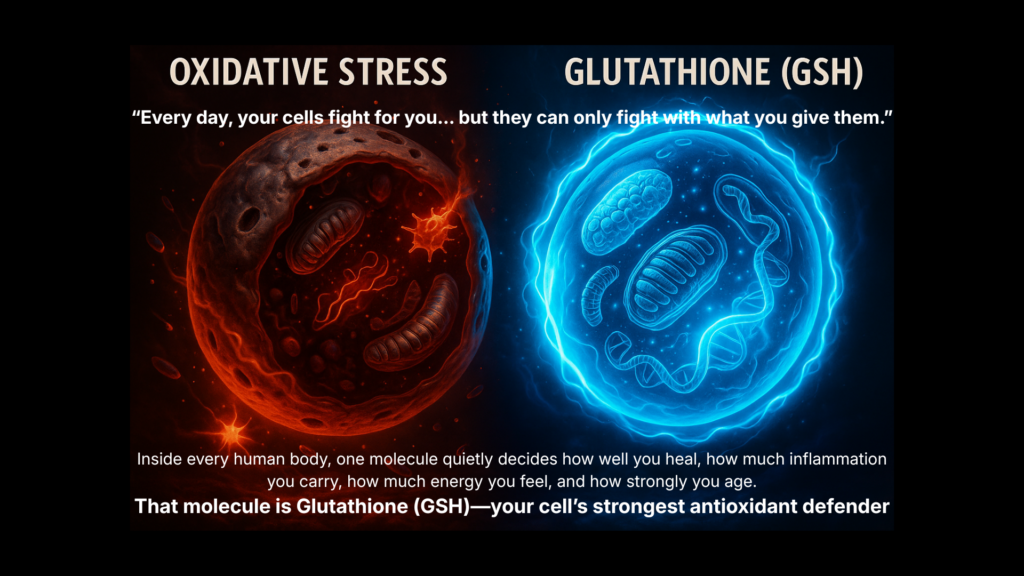
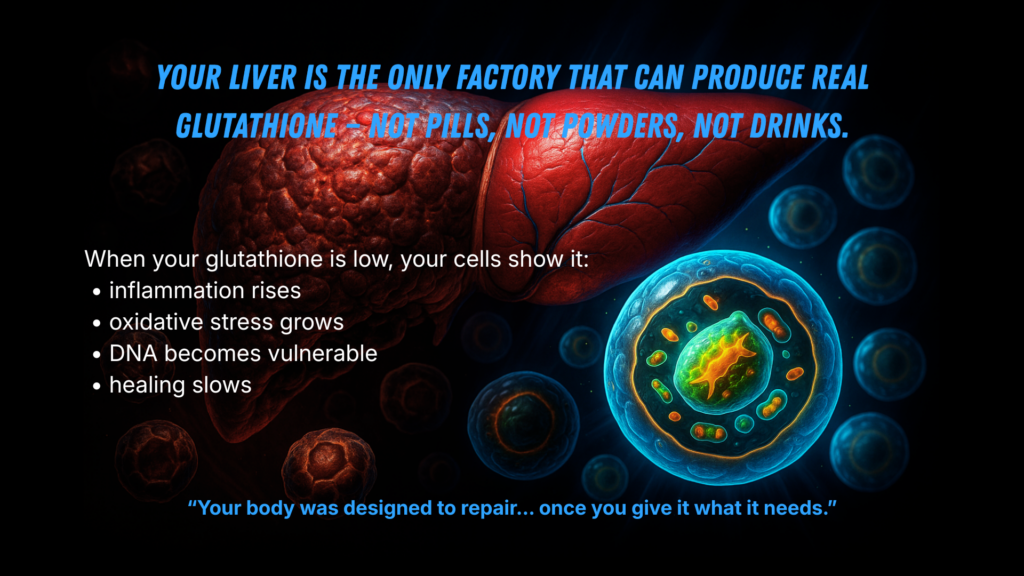
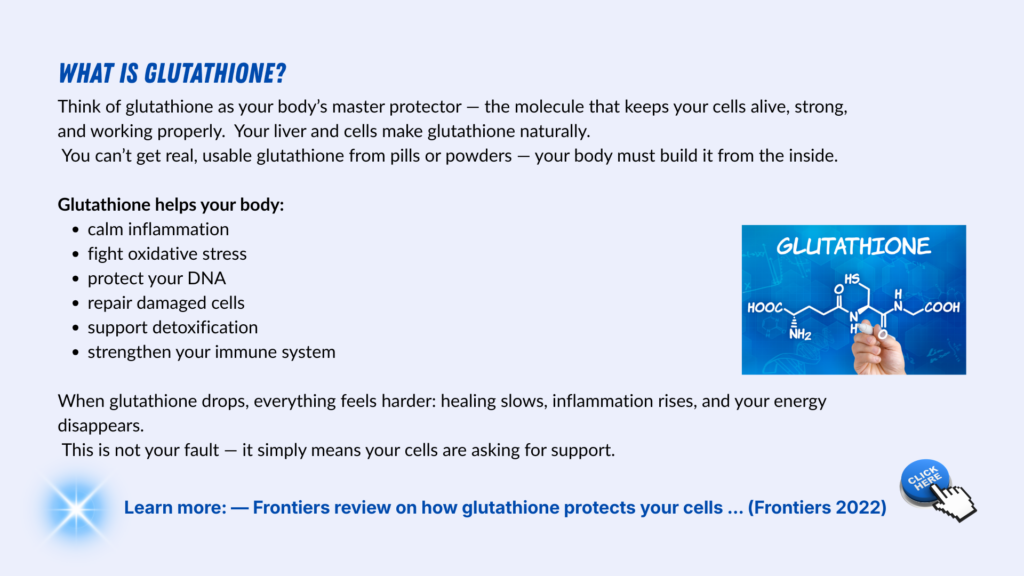
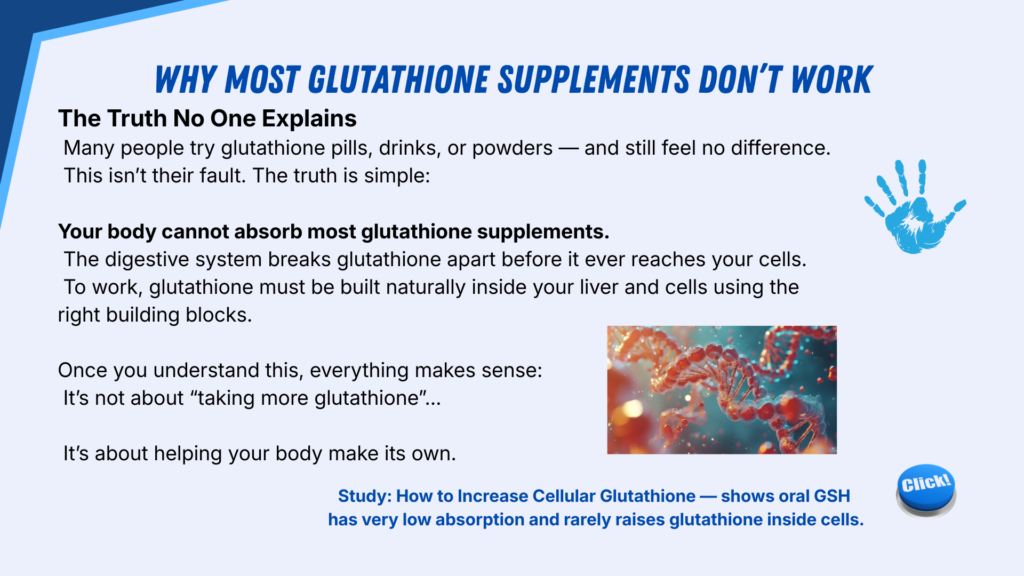

“GSH is a symbolic representation of glutathione — the body’s primary intracellular antioxidant.”
“This short visual introduces GSH — a symbolic way IMMA translates the science of glutathione into clear, accessible understanding.”
“Through visual storytelling, GSH helps explain how glutathione supports cellular protection, balance, and resilience.”
For clarity and transparency, please listen to our disclaimer.
It explains the educational purpose of IMMA and how this information is meant to be used.
- 🔬 Learn More About the Benefits of Glutathione (GSH)
- 🛡️ Glutathione helps protect cells from oxidative stress.
Oxidative stress damages cells and contributes to many chronic health challenges. Glutathione is the body’s primary intracellular antioxidant that helps neutralize this damage.
🔗 https://pubmed.ncbi.nlm.nih.gov/36707132/
🔗 https://www.sciencedirect.com/science/article/abs/pii/S0976566220304409
- 🔥 Glutathione plays a key role in regulating inflammation.
Balanced glutathione levels help regulate redox-sensitive inflammatory pathways, supporting a healthier immune response.
🔗 https://www.mdpi.com/2227-9059/11/5/1340
🔗 https://pmc.ncbi.nlm.nih.gov/articles/PMC6770193/
- 🧠 Glutathione supports immune system balance and resilience.
Glutathione helps immune cells function effectively without overreacting, supporting immune defense while limiting unnecessary tissue damage.
🔗 https://pmc.ncbi.nlm.nih.gov/articles/PMC3048347/
- ⚡ Glutathione supports mitochondrial energy production.
Healthy glutathione levels help protect mitochondria from oxidative damage, supporting efficient cellular energy production.
🔗 https://www.nature.com/articles/s41598-023-27653-w
- 🧬 Glutathione helps protect DNA and cellular integrity.
By maintaining redox balance, glutathione supports DNA stability and cellular repair mechanisms.
🔗 https://pmc.ncbi.nlm.nih.gov/articles/PMC10885928/
- 🏭 Glutathione is produced inside your body — mainly in the liver and cells.
Glutathione must be synthesized intracellularly; it cannot simply be replaced through supplementation. Supporting natural production is essential.
🔗 https://pmc.ncbi.nlm.nih.gov/articles/PMC6770193/
- 🧪 Glutathione levels depend on cysteine availability.
Cysteine is often the limiting amino acid for glutathione synthesis, which is why research focuses on glutathione precursors.
🔗 https://pubmed.ncbi.nlm.nih.gov/36707132/
- 📘 N-acetylcysteine (NAC) is the most studied glutathione precursor.
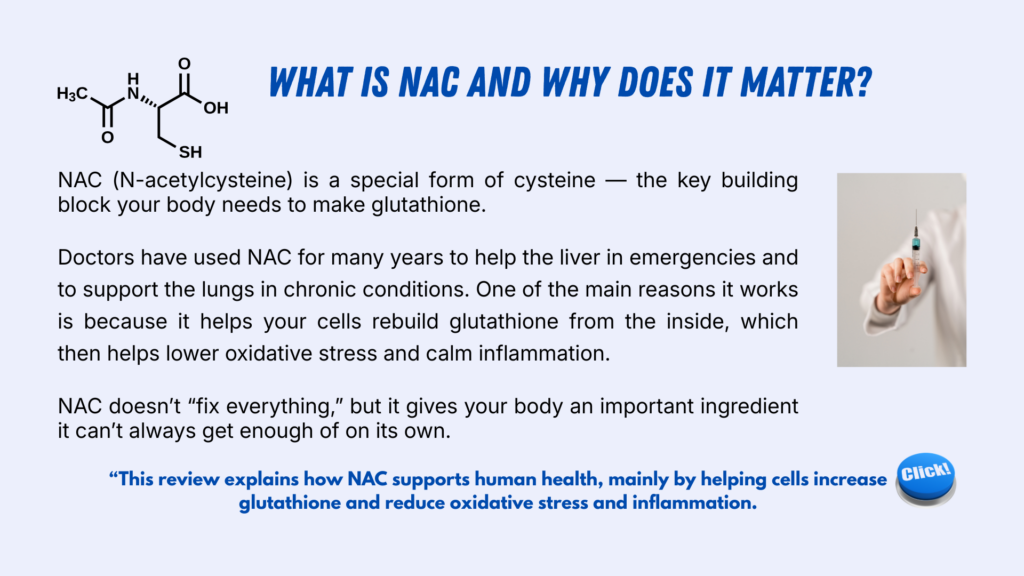
NAC provides cysteine and has been widely researched for its role in supporting glutathione synthesis and redox balance.
🔗 https://pmc.ncbi.nlm.nih.gov/articles/PMC6770193/
- 📚 Some cysteine delivery systems are listed in authoritative references.
Certain nutritional cysteine sources, such as Immunocal®, are included in the Physicians’ Desk Reference (PDR) as glutathione precursor systems.
(Reference only — not an endorsement.)
🔗 https://www.pdr.net/full-prescribing-information/hl/?druglabelid=257
The information above is provided for educational purposes only and is supported by peer-reviewed scientific literature.