
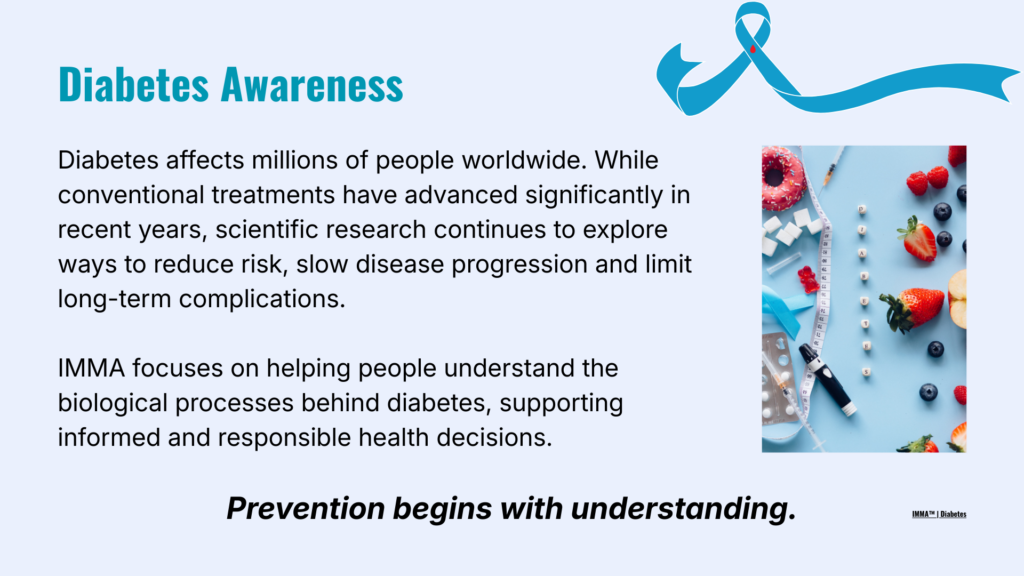
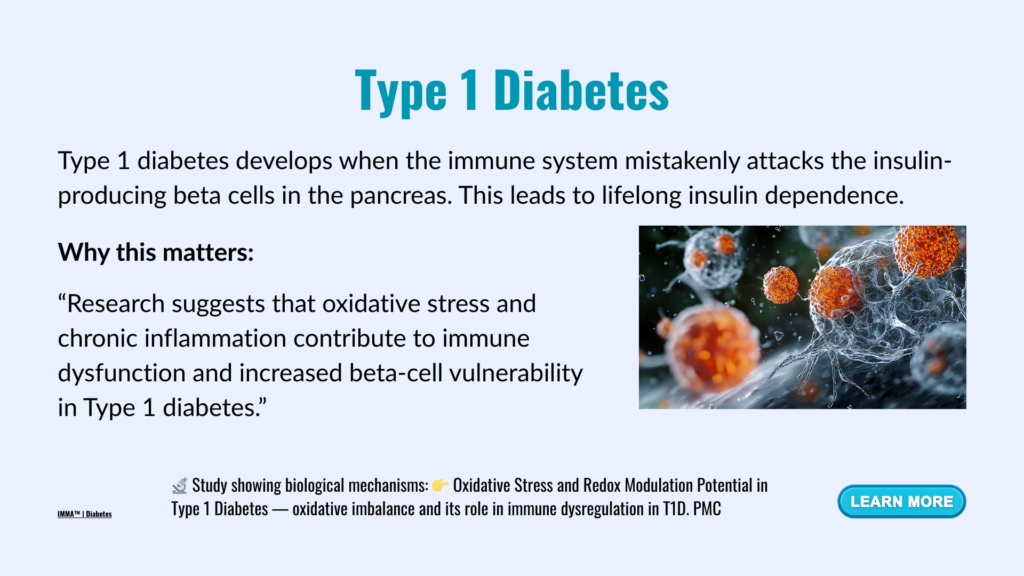
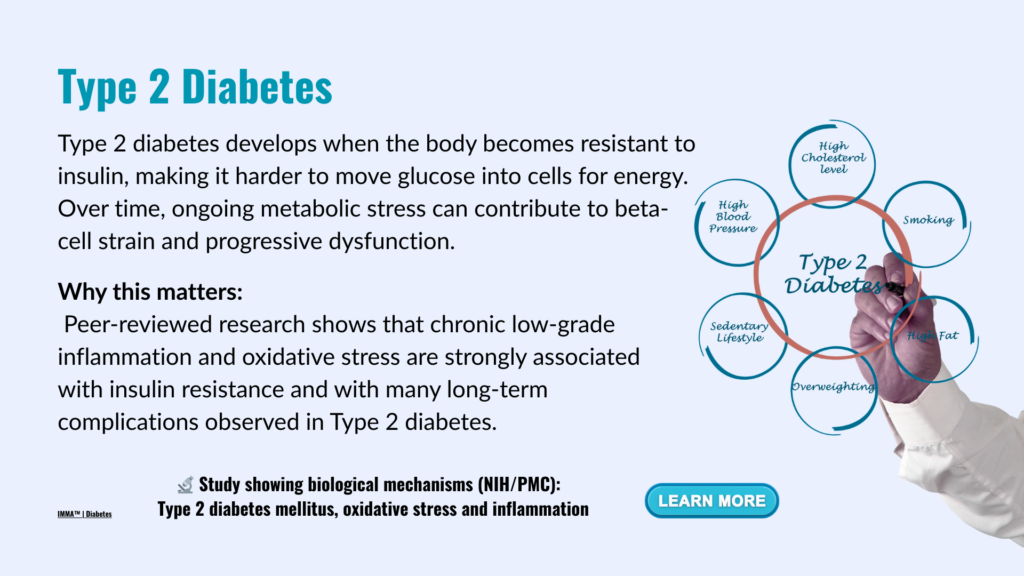
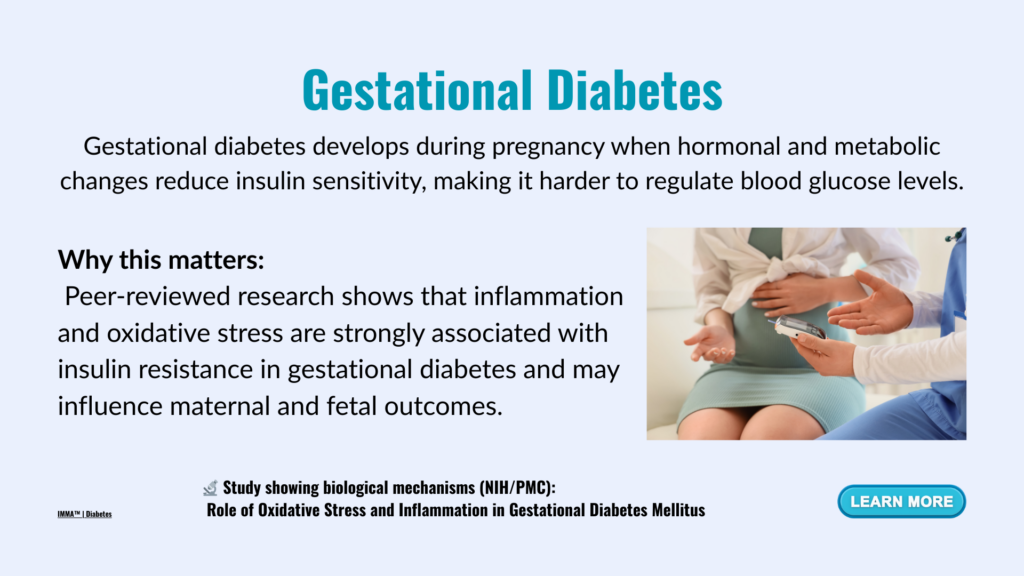
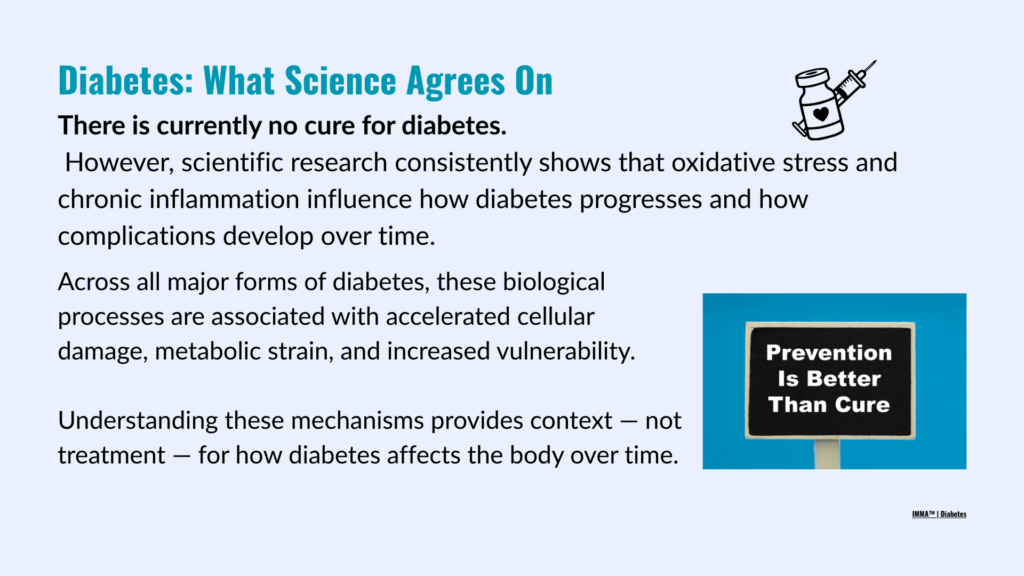
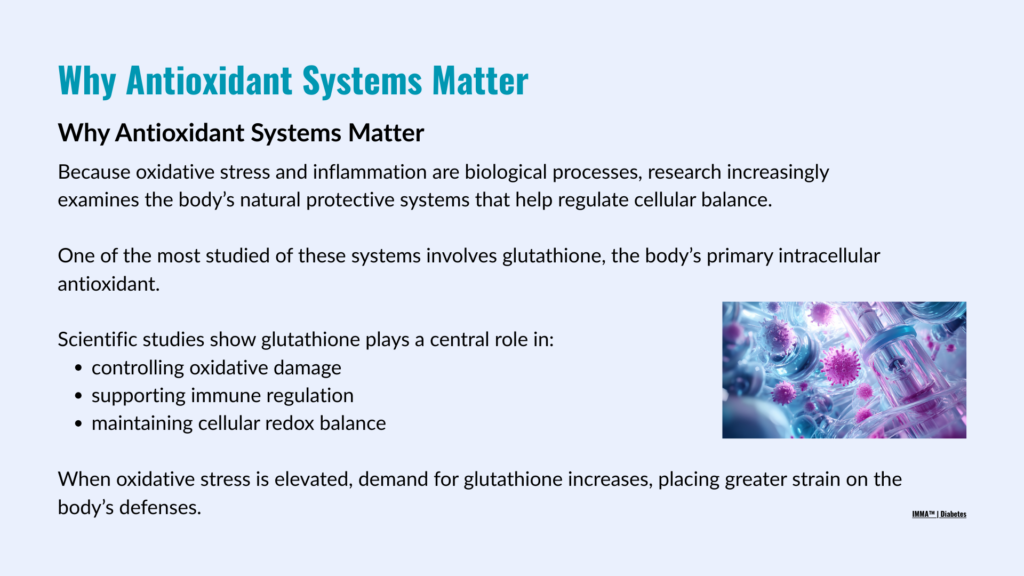

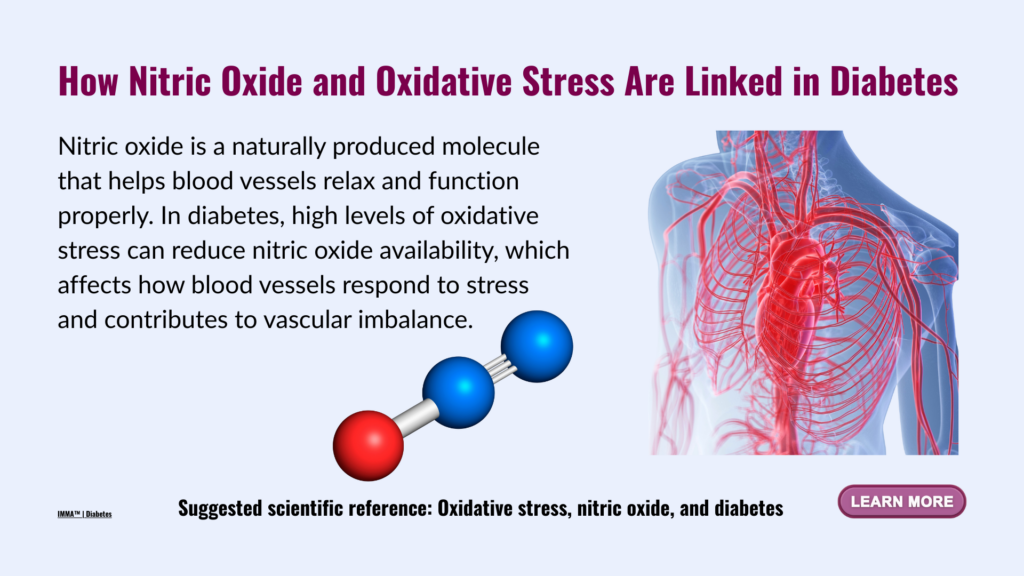
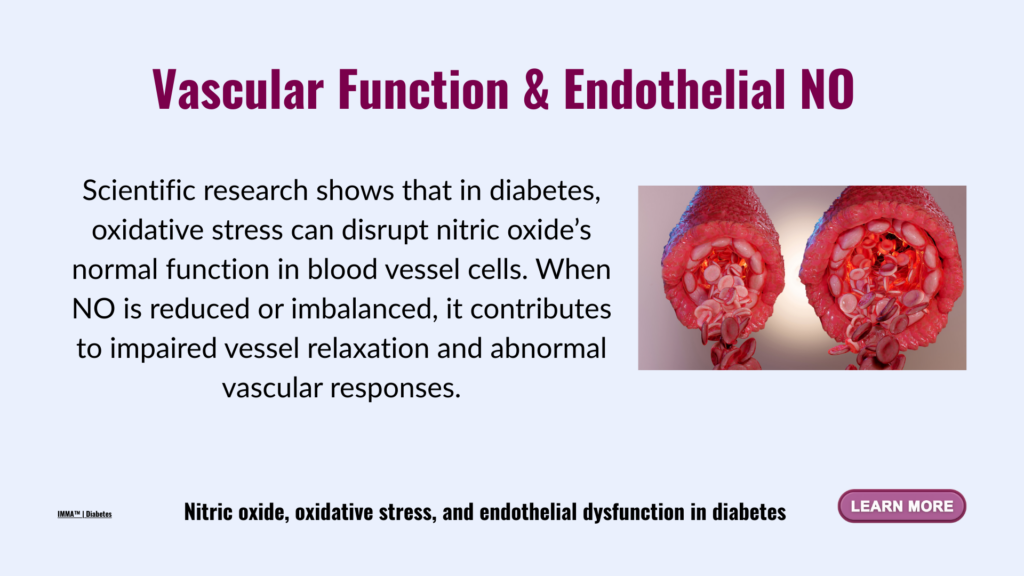

This educational video explores how chronic inflammation and oxidative stress contribute to long-term complications, and why understanding these internal processes is essential for informed, empowered health decisions.
🔬 In-Depth Study Summary: Glutathione, Oxidative Stress & Type 2 Diabetes
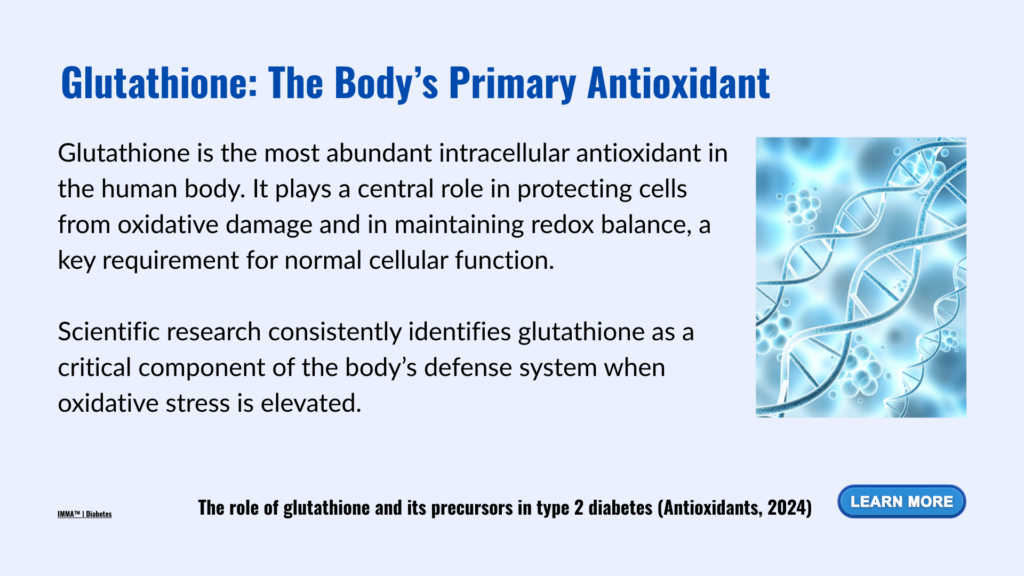
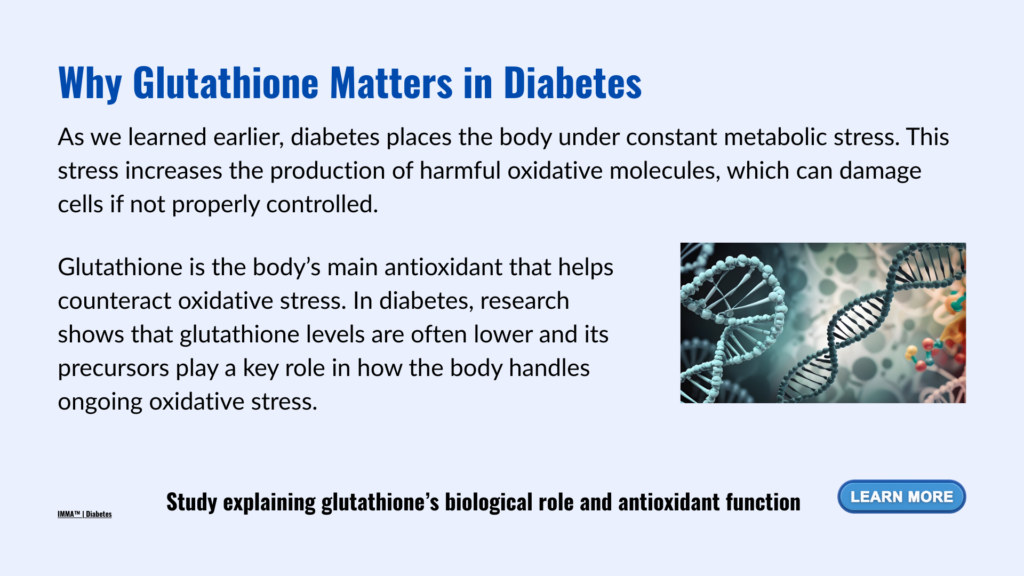
This peer-reviewed scientific review examines the central role of oxidative stress and glutathione (GSH) depletion in the pathophysiology of type 2 diabetes.
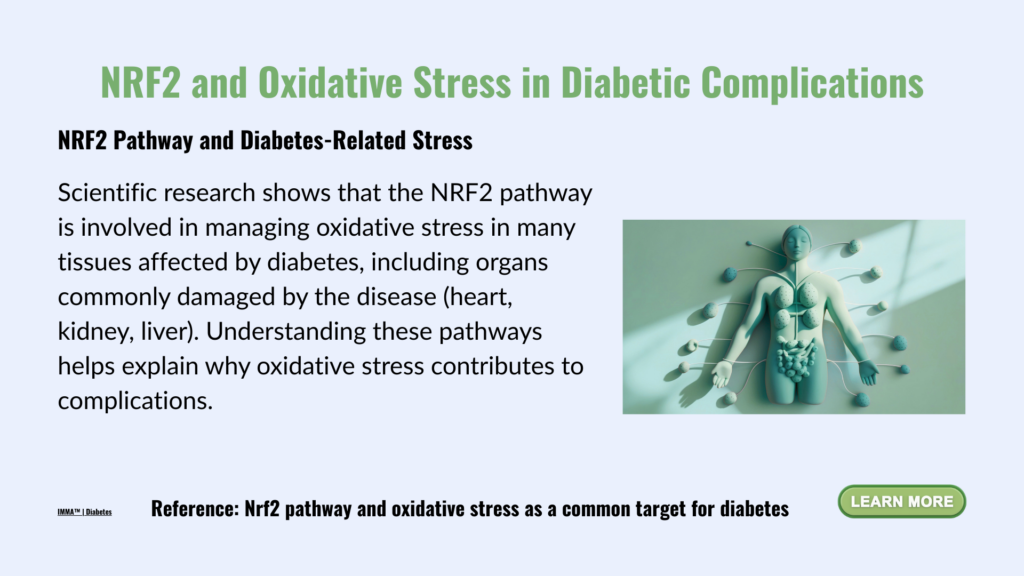
The authors describe how chronic hyperglycemia increases the production of reactive oxygen species (ROS) through multiple metabolic pathways, including mitochondrial dysfunction and glucose-induced oxidative reactions. When antioxidant defenses are insufficient, this excess oxidative burden damages cellular structures and disrupts insulin signaling.
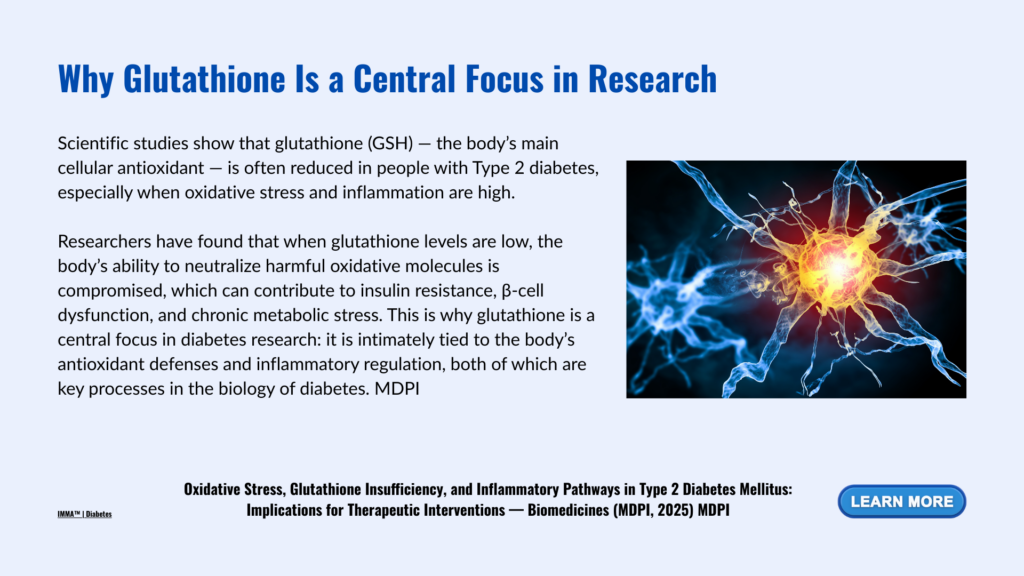
Glutathione is identified as a critical intracellular antioxidant responsible for neutralizing ROS, maintaining redox homeostasis, and supporting detoxification and mitochondrial health. The study reports that individuals with type 2 diabetes consistently show reduced glutathione levels, leaving cells more vulnerable to oxidative injury.
This glutathione deficiency contributes to insulin resistance, pancreatic beta-cell dysfunction, vascular inflammation, and nervous system damage — mechanisms closely associated with long-term diabetic complications.
The authors conclude that strategies aimed at restoring or supporting glutathione status may help reduce oxidative stress, improve cellular resilience, and slow the progression of diabetes-related complications. While further clinical studies are required, glutathione is highlighted as a key biological target in metabolic and inflammatory regulation.
📘 Full Scientific Study (Open Access):
https://pmc.ncbi.nlm.nih.gov/articles/PMC11762874/
📘 Scientific Reference (Full Study):
https://pmc.ncbi.nlm.nih.gov/articles/PMC11762874/
🎧 Listen: GSH explains the study